Recycling
- Home
- Recycling
Recycling & Sustainability
We are in a war.
The enemy isn’t a group of people. It’s our relationship to the environment. There are many battles in this war, but one of the most important is waste.
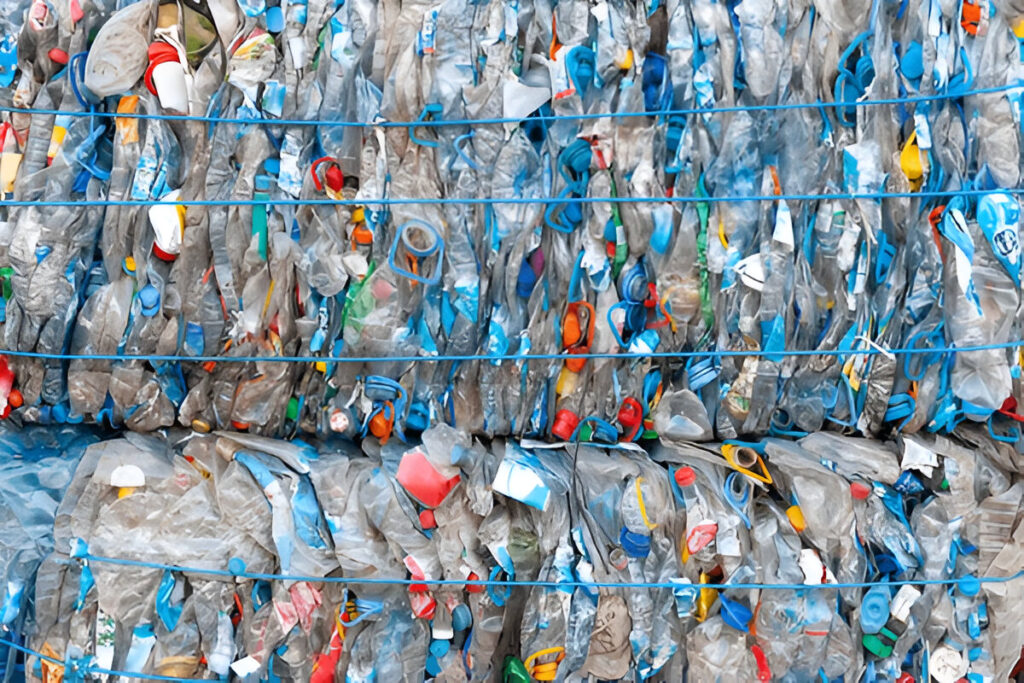
Waste refers to the production of material that is simply thrown away, where these materials will languish in the environment for thousands of years.
This includes plastics, industrial byproducts, styrofoam and the list goes on and on. Plastics are among the worst because they are so pervasive, appearing in almost every consumer product. From food packaging to toys to appliances, plastics are everywhere.
These often end up in the trash or the surrounding ecosystem. Microplastics, fragments less than 5 mm in length, are now all over the world. Research has found microplastics everywhere, from the snow of Mount Everest to the ocean floor.
Many people in developing countries and even in parts of highly developed countries resort to burning their trash in the open air, which releases an alarming amount of toxic chemicals in the air. It’s estimated that a billion tons of waste are burned like this every single year.
These are concerning facts about the world we live in. And they represent major blocks to true sustainability. If we want to bring ourselves in balance with the environment, we must address this pressing issue.
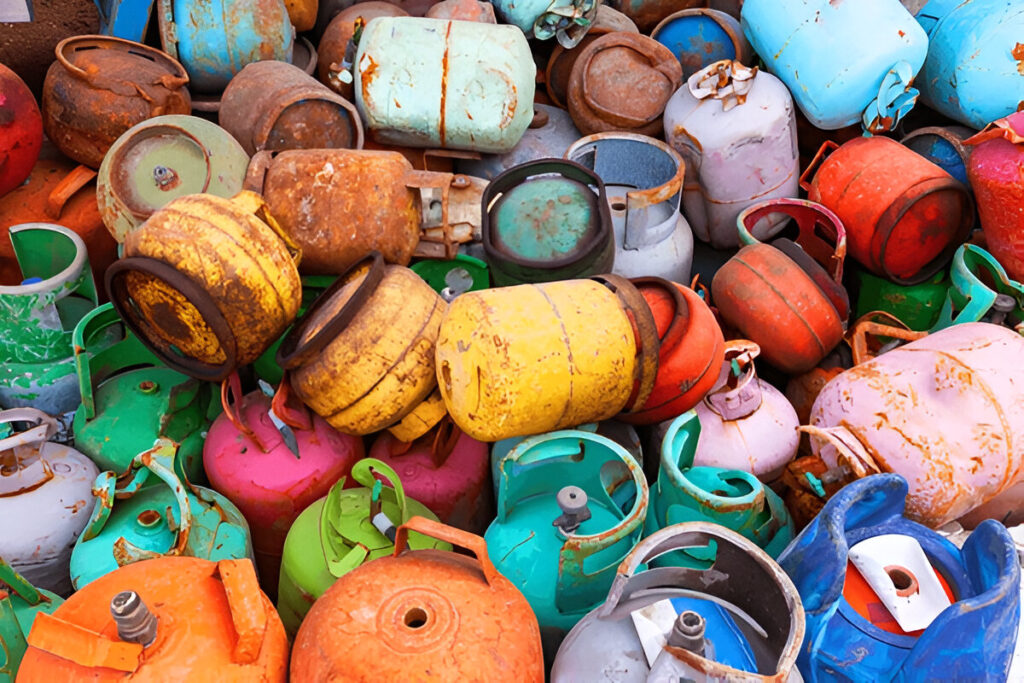
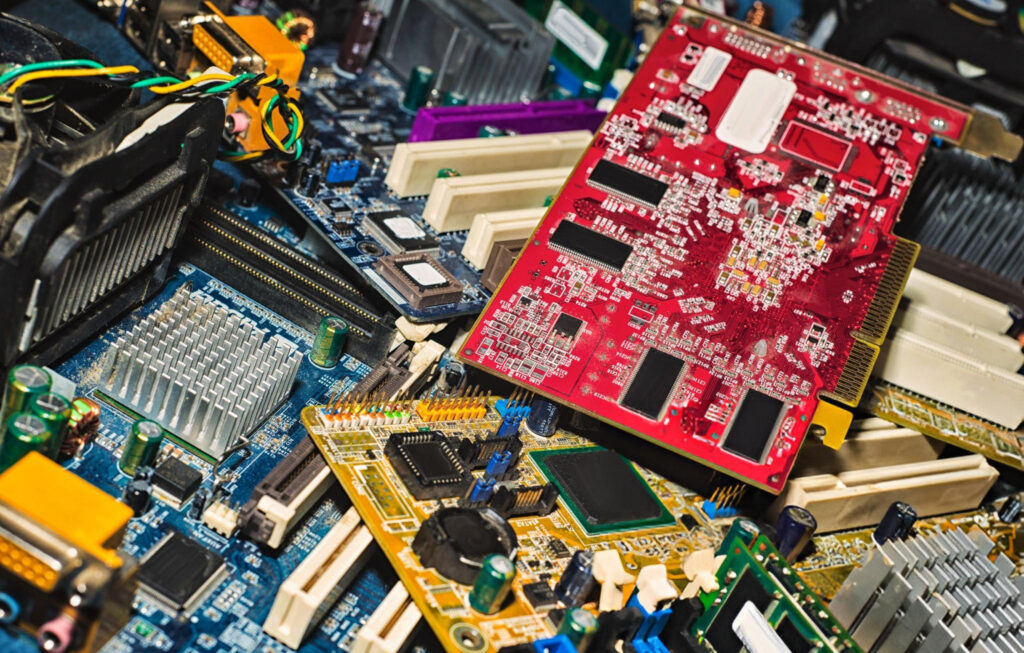
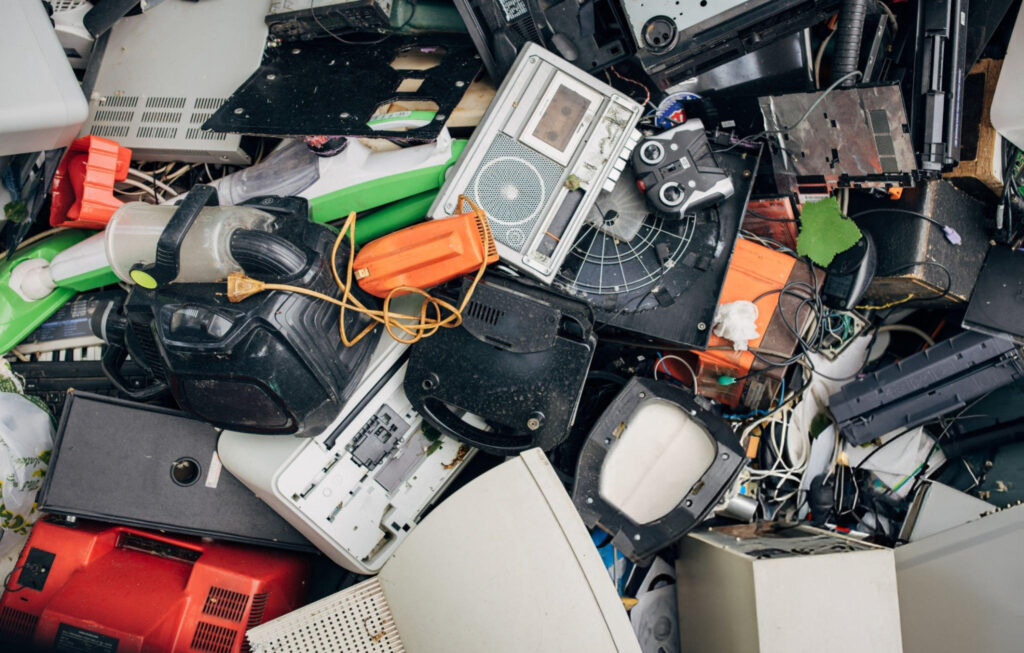
How will we combat waste? Through a more aggressive and robust system of recycling. Improvements here need to be made in two different ways:
- We need to capture more material before it ends up in a dump or the ocean. That material can be transformed into new products, infrastructure, and other production. There is tremendous hope in this field. Great strides are being made in recycling technology, leading to higher-quality outputs and more efficient processes.
- A stronger recycling system also requires using more recyclable materials in production. This eliminates the source of waste, and it maximizes the impact of investing in our recycling capacity.
Winning on both fronts requires enthusiastic cooperation and investment from organizations, companies, and governments worldwide. We also need a vibrant interchange of knowledge, including best practices.
By working together and sharing our insights, everyone can rapidly move to hit our goals of a zero-waste society—a central goal of sustainability. Such a circular economy requires much less land, allowing smaller countries to be more economically productive. It also means cheaper raw materials as recycling methods improve. These are only a couple of the societal benefits we will enjoy with a more sustainable approach to waste.
As part of this collective effort, TrashTalkTom is profiling communities, regions, and countries that are finding solutions for better recycling and less waste. We are also popularizing cutting-edge technology, processes, and equipment for handling and processing waste.
If we all take up this fight, we’ll make enormous progress towards a sustainable world.