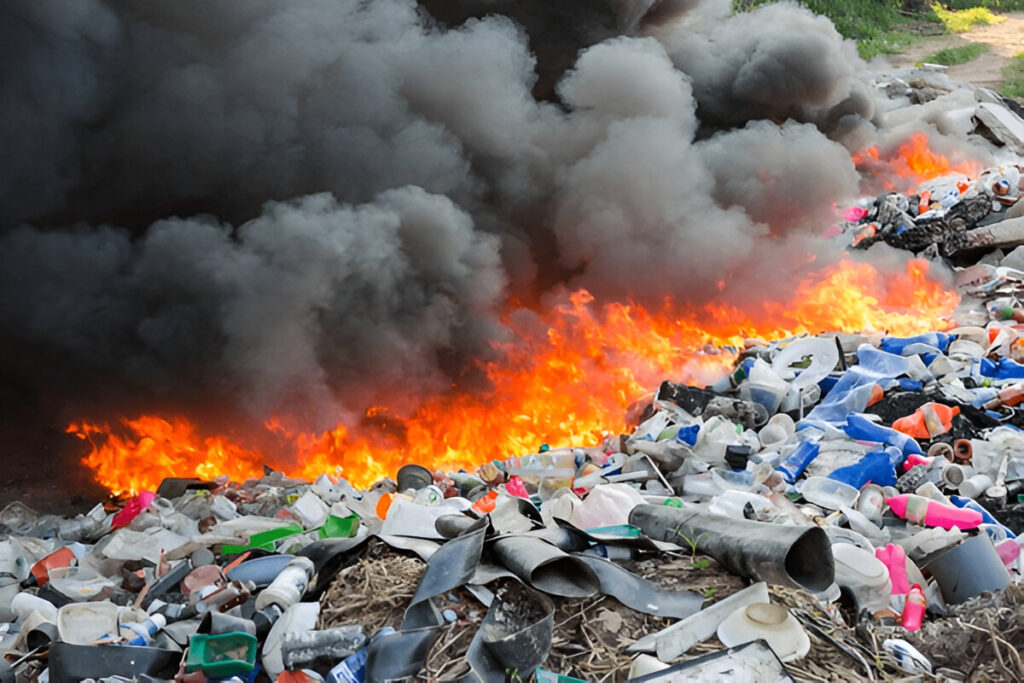
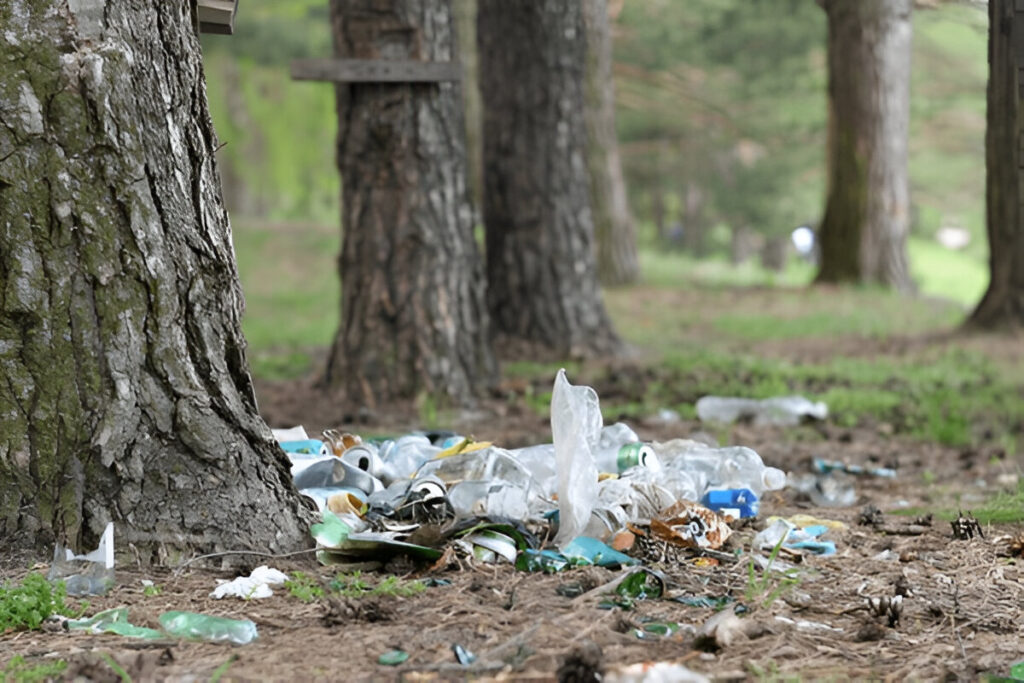
Our planet is facing a waste crisis that has reached alarming levels. The amount of litter, waste, and plastics that saturate our environment is causing catastrophic effects on our health, wildlife, ecosystems, and the environment. The situation is dire, and unless we implement drastic measures, we risk irreversible damage to our planet.
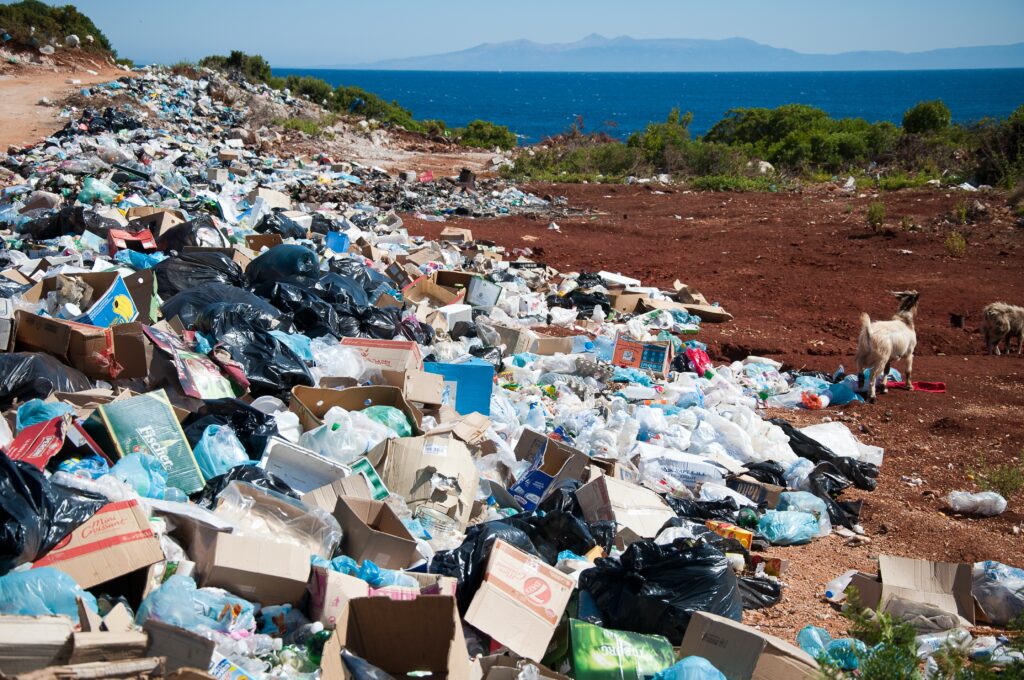
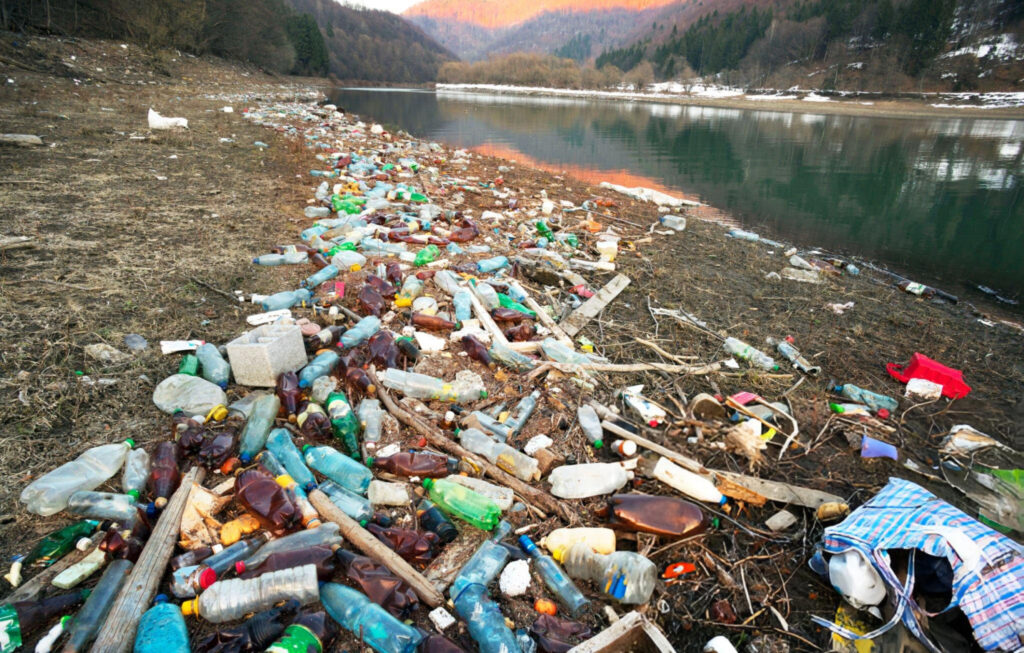
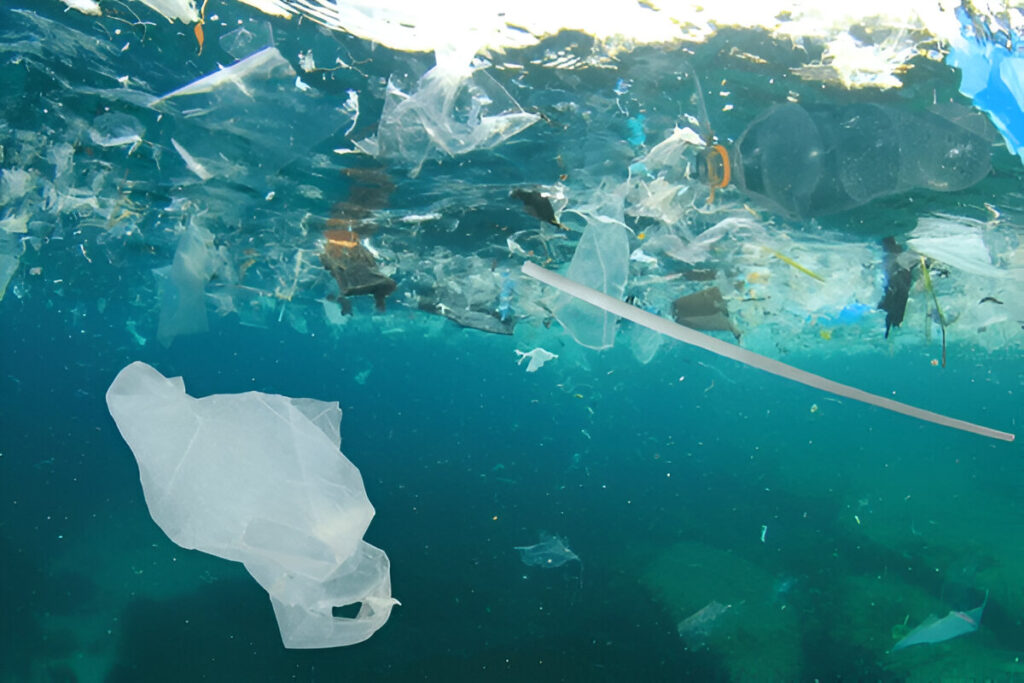
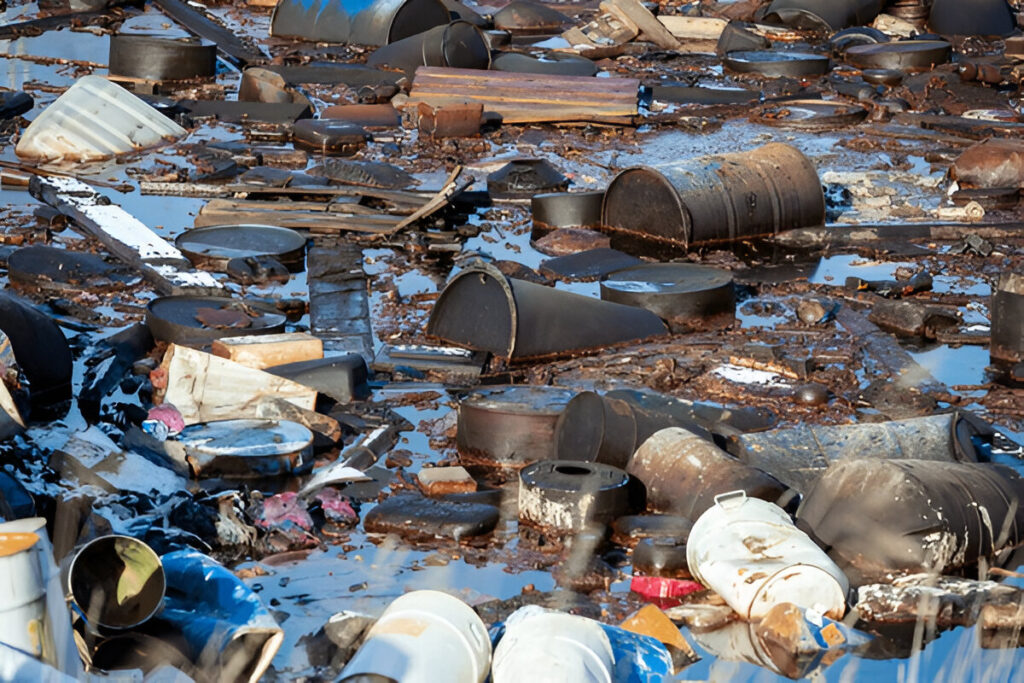
The impact of waste is felt globally, from the remotest parts of the earth to the ocean floor and even in space. It is affecting our quality of life, air, water, and food supply. More research and studies are uncovering the shocking findings of how waste is affecting our health and longevity. The disturbing images of waste floating in rivers, oceans, and carelessly dumped on land are evidence of how pervasive the waste problem is.
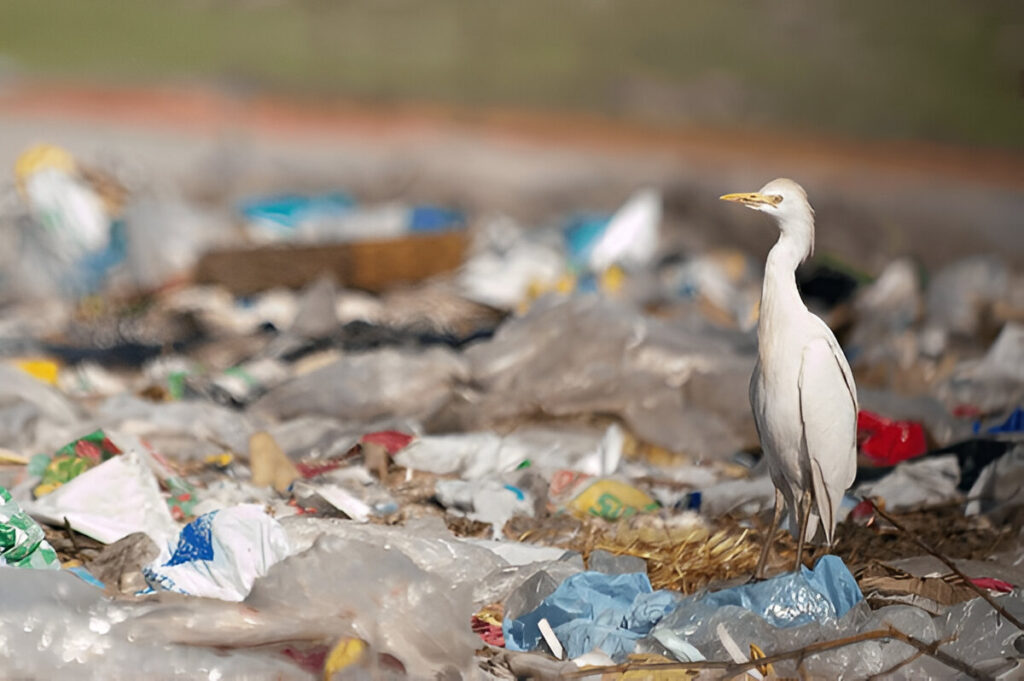
One of the biggest problems is the effect of waste on habitats, wildlife, and ecosystems. Waste, especially plastics, is mixed in vegetation, water bodies, and virtually impossible to clean up. Wildlife is mistakenly ingesting plastics as food, causing death, and sensitive ecosystems are being damaged. The staggering cost of cleaning up waste makes it a challenging problem, and many times, the budgets are not sufficient.
Plastics have become an integral part of modern life and are being produced in record amounts. While it has been beneficial in many ways, such as medical devices, technology, and appliances, it is not biodegradable and lasts for hundreds of years. Plastic waste breaks down to microplastics, which are almost impossible to clean up from the environment. TrashTalkTom with our Global Environmental initiatives acknowledge that plastics will be used by consumers for years to come, but we need to deal with it responsibly and not enter it indiscriminately into our environment.
We need to take a reasonable approach to manage waste properly and sustainably. Many different theories are used and implemented worldwide, such as incineration, waste-to-energy, landfills, recycling, composting, or others. A key is containment, and waste needs to be stopped from entering the environment needlessly.
We need to work on cleaning up what is currently in our environment, but stopping the flow of waste entering the environment daily is equally important. Prevention is crucial, and we should not even allow waste intentionally into the environment. Our, Global Clean Earth Initiative is a start. It will take millions to billions of people to clean the planet, and it needs to be a priority for all humans.
We strive to raise awareness and educate people on the importance of respecting the environment. The majority of the population needs to learn to respect the environment, and this will create a mindset that will promote responsible behavior. Our initiative, Ecopsychology, aims to help humans interact with our environment, acquire respect, and not intentionally harm our planet.
The waste crisis is staggering, and we endeavor to be the best stewards of the earth to restore and protect our planet. It is essential to work together to restore our planet and be in awe of its beauty. Every person has a role to play in protecting the environment, and we must take responsibility for our actions. We need to be mindful of how we produce, use, and dispose of waste and adopt sustainable practices to protect our planet for future generations.