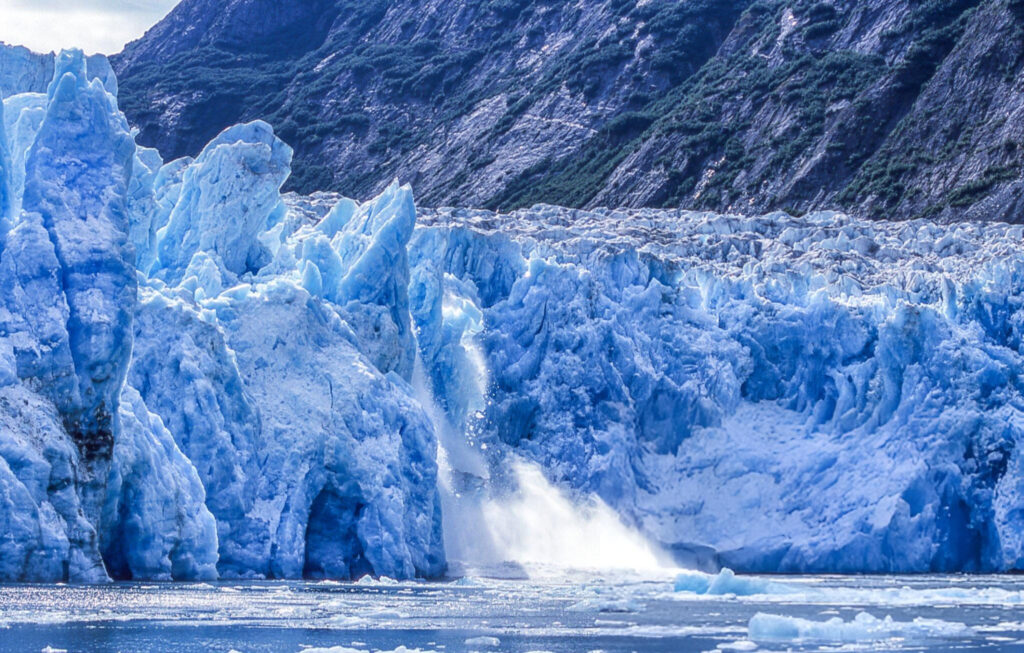
As our climate changes and affects our lives, we need to implement drastic measures to slow and reverse the damaging effects we are seeing around the world. The largest contributing factor to climate change is human activity, such as transportation, the use of electricity, energy production and the increased use of fossil fuels. These activities are negatively affecting our environment, trapping excessive gases and warming the planet. The weather is becoming severe in many parts of the world, causing flooding, rainstorms, higher temperatures, droughts, hurricanes, typhoons and more. These adverse events cause disruption to us humans and have led to untold suffering and death.
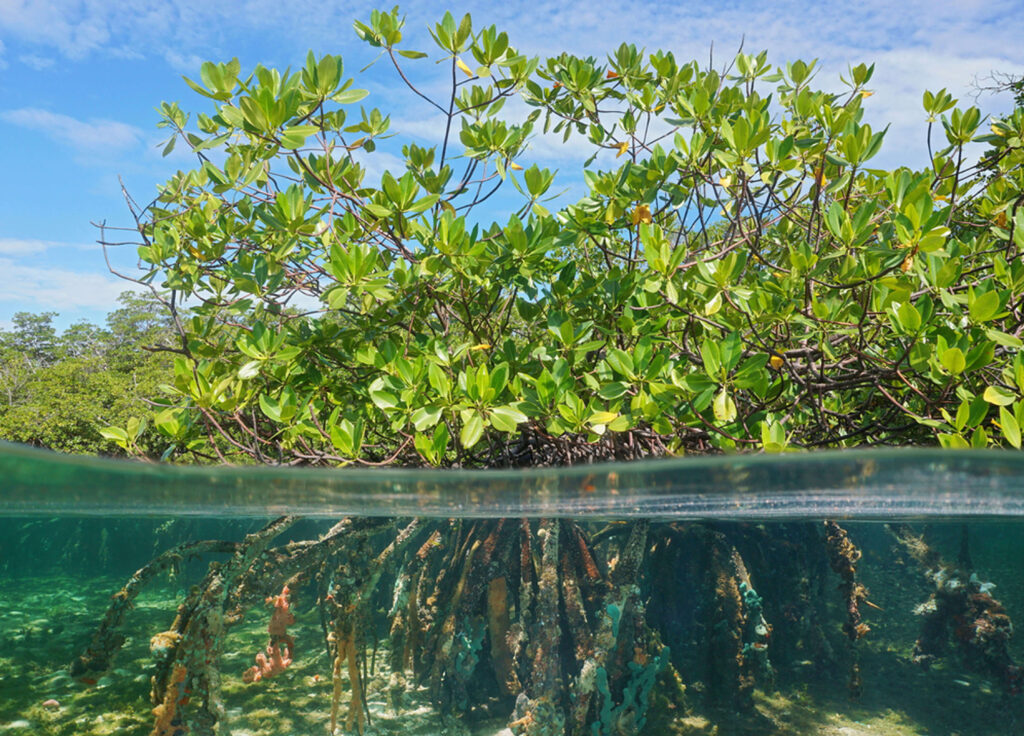
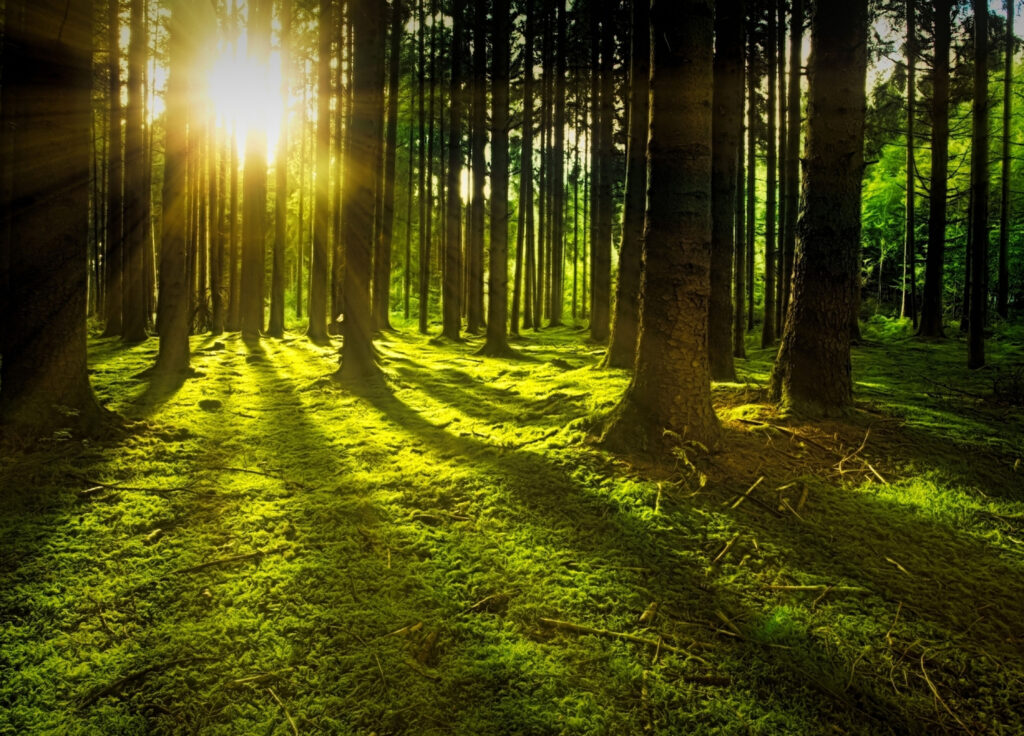
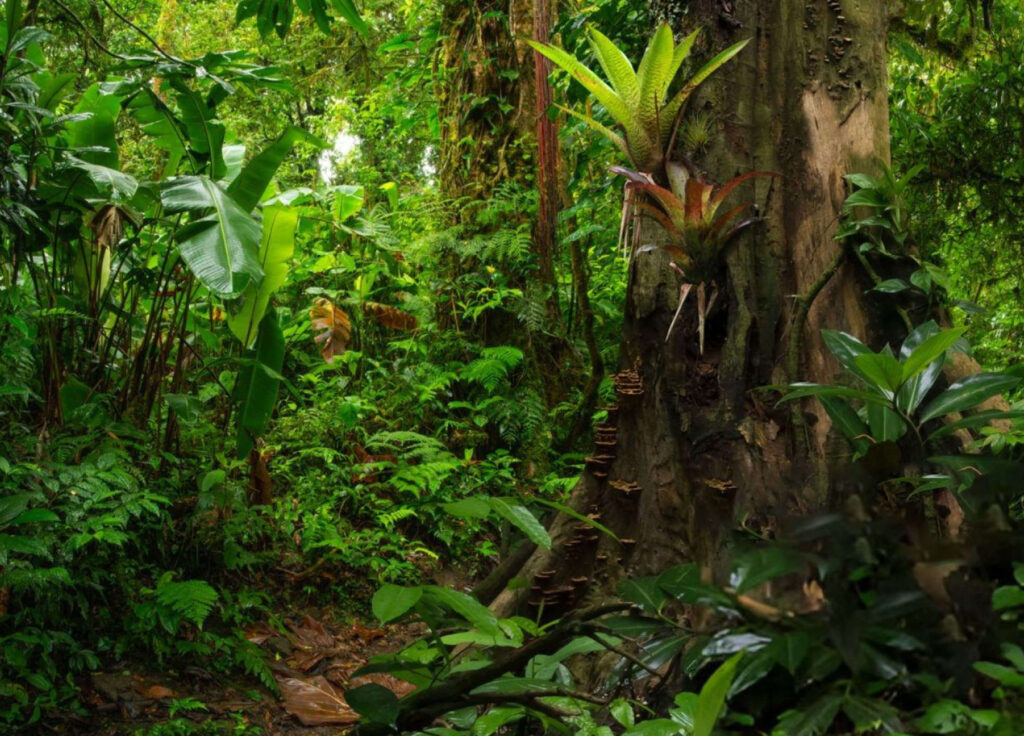
To mitigate and reverse the acceleration of greenhouse gases, solutions are necessary. Reduction of these gases is paramount and in conjunction with what is called carbon sequestration, defined as the process of capturing and storing atmospheric carbon dioxide. Our initiative is focused on nature-based solutions that are referred to as Blue Carbon. Nature and its ecosystems—which consist of trees, forests, mangroves, seagrass meadows, wetlands, rain forests, grasslands, and the underwater forest and ocean ecosystem—can absorb huge amounts of carbon. With the increasing amount of greenhouse gases, it is vital that we increase planting globally and preserve nature’s many natural filters that exist. An example is the mangrove tree; it is estimated that 50% of the area mangroves once covered has been lost. Mangroves can absorb 10 times more carbon than terrestrial forests can. We know that large areas are under attack by development, especially in the rain forest, and globally we are in a race to conserve our natural resources. It is crucial to work on cleaning the planet to allow earth’s ecosystems to perform optimally and not be compromised by pollution.
We need to protect via conservation and preservation, rebuilding, restoring and reforesting all these important ecosystems. We look to all avenues for solutions, and as modern technology advances, we apply new theories to deal with greenhouse gases. One example is called geological carbon sequestration, where carbon dioxide is stored in underground geologic rocks and formations. Another solution is called technological carbon sequestration, with which scientists and experts are exploring new methods using innovative technologies to remove and store carbon from the air. To reduce our human footprint, we need to work aggressively on all fronts to minimize greenhouse gases. Through our initiatives, we are eager to work towards the goal of maintaining a healthy planet earth.